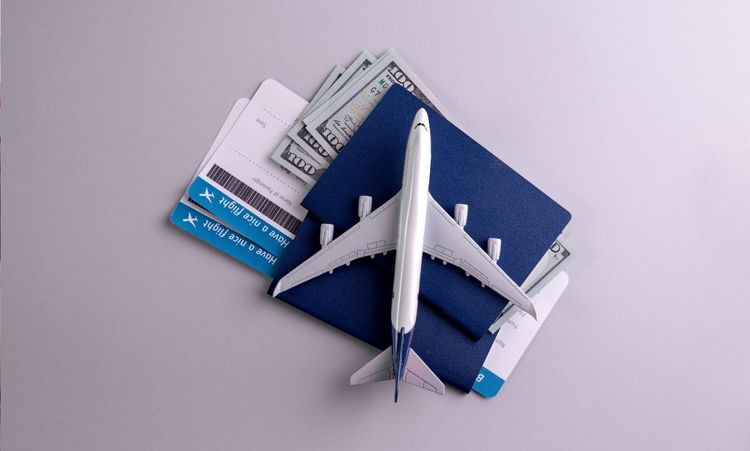
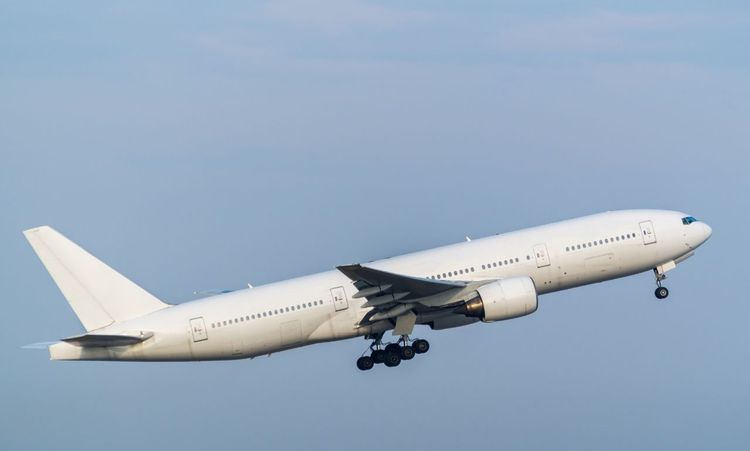
Air travel has become remarkably efficient, yet airports remain places where thousands of moving parts must come together on a strict schedule. The recommendation to arrive well before departure isn't simply about caution. It reflects decades of experience managing security, passenger volumes, and aircraft operations. Understanding why do airlines ask you to arrive two hours before a flight makes the advice feel far more practical than arbitrary.
The Two-Hour Rule Isn't Random
The familiar two-hour recommendation often surprises travelers whose actual flight lasts less time than the airport process itself. Still, airlines rarely choose this guideline without good reason. It gives passengers enough margin to complete several essential steps before boarding begins.
Checking in, dropping luggage, passing through security, finding the correct gate, and boarding all have separate deadlines. Missing just one can prevent a passenger from boarding, even if the aircraft remains parked at the gate.
The recommendation also accounts for the unexpected. Airport traffic may be heavier than usual, security equipment can slow down processing, and weather occasionally disrupts normal operations. Building extra time into the journey helps absorb these delays before they become costly.
For airlines, punctual departures affect far more than a single flight. Aircraft often operate several routes each day, and a late departure can create delays across an entire schedule. Encouraging passengers to arrive early reduces one source of avoidable disruption.
What Happens During Those Two Hours?
Many first-time travelers assume most of their time will be spent waiting at the gate. In reality, the airport process involves several checkpoints that can quickly consume an hour or more.
Check-In and Document Verification
Passengers who check in online may skip the ticket counter, but not everyone has that option. International flights often require passport verification, visa checks, or confirmation of travel documents before boarding passes are finalized.
Even domestic travelers sometimes need assistance with seat changes, special requests, or ticket issues. During busy travel periods, airline counters can develop long lines that move more slowly than expected.
Airlines also enforce check-in deadlines. Depending on the carrier, passengers may lose their reservation if they arrive after baggage acceptance has closed, regardless of when the flight departs.
Baggage Drop-Off Takes Longer Than Many Expect
Checking luggage involves more than placing a suitcase on a conveyor belt.
Every checked bag receives identification tags, undergoes weight verification, and enters the airport's baggage handling system. Security screening takes place behind the scenes before luggage reaches the aircraft.
Large airports process thousands of bags every hour. Although the system is highly automated, each piece of luggage still requires time to move through multiple screening stages before loading begins.
Late-arriving bags create operational problems. Airlines prefer closing baggage acceptance well before departure to ensure every checked suitcase reaches the correct aircraft without delaying the flight.
Security Screening Can Change Without Warning
Security remains one of the least predictable parts of any airport visit.
Passenger numbers fluctuate throughout the day, and screening times often increase during holidays, weekends, and early morning departures. A line that normally takes fifteen minutes can easily stretch beyond forty-five minutes.
Additional inspections also happen at random. Travelers may be selected for secondary screening, bag inspections, or identification checks without any indication beforehand.
Because these procedures cannot be predicted, airlines build them into their recommended arrival times rather than assuming ideal conditions.
Boarding Starts Much Earlier Than Departure
One common misunderstanding involves the departure time printed on a boarding pass. Many travelers treat that time as the moment they should reach the gate.
In reality, boarding usually begins 30 to 50 minutes before departure, depending on the aircraft and airline.
Passengers board in groups, allowing families, premium travelers, and those needing assistance to enter first. Cabin crew also need time to verify seating, organize carry-on luggage, and complete safety procedures before the aircraft can leave the gate.
Boarding gates typically close 10 to 20 minutes before departure. Once closed, reopening them isn't always possible because final passenger counts, baggage reconciliation, and departure paperwork have already been completed.
Someone arriving at the gate exactly at departure time has almost certainly missed the flight, even if the aircraft remains visible outside the window.
Airport Size Makes a Significant Difference
The airport itself often determines how much time travelers actually need.
Smaller regional airports usually involve shorter walks, fewer security lanes, and smaller passenger volumes. Completing every pre-flight step may take less than an hour on a quiet day.
Major international airports present a very different experience.
Walking from security to a departure gate can take twenty minutes or more. Some terminals require passengers to ride trains, buses, or automated people movers before reaching their gate.
Large hubs also handle hundreds of simultaneous departures. Security checkpoints, immigration facilities, restaurants, and boarding areas become much busier during peak travel periods.
Connecting terminals adds another layer of complexity. A gate change announced after check-in may require crossing a substantial portion of the airport within a limited timeframe.
For these reasons, the same traveler might comfortably arrive ninety minutes early at a regional airport but require well over two hours at a major international hub.
International Flights Usually Require Even More Time
The familiar two-hour recommendation generally applies to domestic travel. International flights often come with a three-hour recommendation because the departure process includes several additional checks.
Immigration and Border Control Add Extra Steps
Leaving or entering another country involves more than presenting a boarding pass. Depending on the destination, travelers may need passport inspections, visa verification, health documentation, or proof of onward travel.
Some countries also require exit immigration before passengers reach the departure gate. These checkpoints can become congested, especially during holiday seasons or when several international flights depart within a short period.
Unlike standard security screening, immigration processing depends on individual documentation. One traveler may pass through in minutes, while another requires additional verification.
Larger Aircraft Mean Longer Boarding Times
International flights often use wide-body aircraft carrying 250 to 400 passengers. Boarding that many people takes considerably longer than boarding a smaller domestic jet.
Cabin crews must organize passengers across multiple sections, ensure overhead bins remain usable, and complete final safety checks before the aircraft can push back from the gate.
Because of these extra demands, boarding often begins nearly an hour before departure.
When Two Hours May Not Be Necessary
Although airlines recommend arriving early, not every trip requires a full two-hour wait. The right arrival time depends on several factors rather than a single universal rule.
Experienced travelers flying domestically with only a carry-on bag often complete check-in online before leaving home. At a smaller airport with light passenger traffic, they may move from the entrance to the gate surprisingly quickly.
Frequent flyers who have access to expedited security programs can also reduce the time needed before departure. These services shorten screening but don't eliminate airline boarding deadlines.
Early morning weekday flights from regional airports may require less waiting than afternoon departures from major hubs. Even so, travelers should avoid cutting their schedule too closely. An unexpected traffic delay or longer security line can erase any time saved.
The safest approach is to adjust your arrival based on the airport, airline, travel season, and your own circumstances rather than assuming every trip will follow the same pattern.
Factors That Can Change How Early You Should Arrive
No airport operates under identical conditions every day. Several variables influence how long the pre-flight process takes.
Travel dates make a significant difference. School holidays, major sporting events, and long weekends bring larger crowds and longer queues. Airports serving popular vacation destinations often become busiest during these periods.
Time of day also matters. Early mornings frequently see the highest number of departures, creating long lines at airline counters and security checkpoints.
Special assistance needs should also be considered. Families traveling with young children, passengers using wheelchairs, and anyone carrying oversized sports equipment typically need additional processing time.
Weather can create delays before travelers even reach the terminal. Heavy rain, snow, or fog often slows road traffic around airports while increasing passenger volumes inside as flights are adjusted.
Finally, every airline sets its own check-in and baggage deadlines. Arriving before departure isn't enough if the airline has already closed baggage acceptance.
Planning Your Airport Arrival Without Wasting Time
Good planning doesn't mean spending unnecessary hours in the terminal. It means leaving enough room for normal airport procedures without feeling rushed.
Checking in online before heading to the airport saves valuable time. It also allows travelers to review their boarding pass, confirm their seat, and receive notifications about gate changes or schedule updates.
Reviewing baggage rules before packing prevents delays at the counter. Weight limits, carry-on restrictions, and prohibited items remain common reasons passengers are pulled aside during screening.
Monitoring traffic conditions on the day of departure helps avoid unexpected delays on the journey to the airport. This is particularly useful for airports located near busy city centers.
It's equally important to confirm the airline's recommended arrival time rather than relying on general advice. Some carriers require passengers to check baggage earlier than others, while international destinations may have additional documentation requirements.
Waiting at the gate with time to spare may seem inconvenient, but it is usually far less stressful than running through a terminal hoping the boarding doors remain open.
Conclusion
Air travel works best when every stage stays on schedule. A few extra minutes before departure often provide peace of mind that lasts throughout the journey.
Travelers who understand why do airlines ask you to arrive two hours before a flight usually recognize that the recommendation isn't designed to fill airport waiting areas. It's intended to create enough flexibility for security, baggage handling, boarding, and the unexpected events that occur every day in busy airports.
That doesn't mean every passenger must spend exactly two hours before every flight. The ideal arrival time depends on the airport, the airline, the destination, and the traveler. Allowing enough time for those variables makes missing a flight far less likely and turns the airport experience into a much calmer part of the trip.