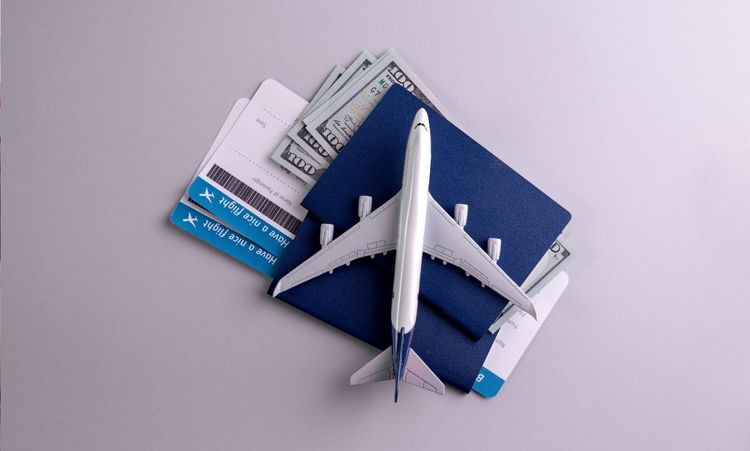
Have you looked at flight prices recently and felt a sting of sticker shock? You're not the only one. Airfares have surged in recent years, catching many travelers off guard. It’s not just inflation—although that plays a part. What’s really driving the price hike is a mix of industry-wide challenges.
Understanding what’s going on behind the scenes helps. The factors at play include rising demand, staffing problems, surging fuel costs, and even the way airlines set prices. In this article, we’ll walk through the key reasons why your airplane ticket is so expensive right now—and why that might not change anytime soon.
Travel Demand
After COVID-19 upended travel plans worldwide, people are flying again—and in big numbers.
The lockdowns and travel bans of 2020 and 2021 grounded most of the world’s population. Planes were parked, routes were canceled, and airports became eerily empty. But things have changed. In 2022 and beyond, the urge to travel came roaring back.
Many travelers delayed family visits, honeymoons, and bucket-list trips. Once borders reopened, they booked fast. As restrictions eased, demand skyrocketed faster than airlines could respond. That rush has continued, fueled by pent-up wanderlust and a global desire to “make up for lost time.”
But here’s the problem—while the desire to fly returned, capacity didn’t. Airlines didn’t magically bounce back overnight. They had fewer planes and fewer staff, and that created a supply shortage.
Economics 101: when demand exceeds supply, prices go up. Airlines, sensing this gap, leaned into it. Fewer flights plus full planes? That equals high fares. Airlines don’t need to discount tickets if people are willing to pay.
What’s more, leisure travel now leads the way. Remote work has changed how people travel. Weekends turn into week-long trips. Holidays stretch longer. That shift keeps flights booked and prices firm.
Salary Inflation and Staffing Pressure
Behind every flight is an army of workers. Pilots, flight attendants, baggage handlers, mechanics, and air traffic controllers all play vital roles. But after the pandemic gutted the industry, many of those workers disappeared.
Airlines laid off thousands. Others retired early or left for good. The result? A staffing vacuum that airlines are still struggling to fill.
Training new pilots takes years. It's not like hiring for a retail job. Flight crews need certifications, hours in simulators, and on-the-job experience. Ground staff require technical training too.
To rebuild, airlines have had to boost salaries. Pilots are earning more than ever before. Cabin crew pay has gone up. So have wages for airport support teams. Even signing bonuses have entered the picture.
These staffing costs don’t stay behind the scenes—they’re baked into your ticket. Higher salaries mean higher operating expenses. That’s passed on to the consumer.
What used to be a $300 flight can now cost $500. And staffing shortages still affect flight availability. Fewer crew means fewer flights. That means less competition—and higher prices for you.
The Cost of Jet Fuel
You’re not imagining it—just like gas for your car, jet fuel is more expensive now. And it’s not a minor cost for airlines.
Fuel is often the largest single expense in aviation. Airlines consume millions of gallons monthly. A small spike in fuel price can translate to millions in added costs.
Recent years have brought extreme volatility in oil markets. Geopolitical conflicts, refinery issues, and supply chain disruptions have all played a part. The war in Ukraine, for instance, triggered major price swings in 2022 and beyond.
While some airlines hedge their fuel prices, not all do. And hedging isn’t a perfect shield. Ultimately, rising costs trickle down to passengers.
Airlines adjust fares in anticipation of fuel hikes. They add fuel surcharges. Even budget carriers feel the squeeze. When fuel hits a new high, ticket prices follow.
This isn’t just a blip. The aviation industry expects continued fuel volatility. Sustainable aviation fuel is gaining attention but remains expensive. Until alternatives become viable at scale, jet fuel costs will remain a burden—and you’ll pay for it, one ticket at a time.
Dynamic Pricing and “Junk” Fees
Here’s where things get frustrating—dynamic pricing and fees that seem to pop up from nowhere.
Ever noticed how a flight price jumps within minutes? Or how a $200 fare becomes $300 with just a few clicks? That’s dynamic pricing in action. Airlines adjust fares constantly, using algorithms that factor in demand, search history, booking trends, and even the day of the week.
The price you see isn’t fixed. It’s a moving target.
Adding insult to injury are the so-called “junk” fees. These are charges for things that used to be free: seat selection, overhead bin access, even printing your boarding pass. Want to check a bag? That’s extra. Prefer a window seat? That'll cost more.
This pricing model is no accident. It’s designed to make base fares look cheaper. The ticket starts low, then climbs as extras get added. You might feel like you’re choosing upgrades, but in reality, you're just paying for basics that used to be included.
Some passengers manage to avoid fees. Travel light. Skip seat selection. But for families, tall travelers, or those with tight connections, avoiding these fees isn’t easy.
In short, the total cost of flying often ends up far higher than expected. And airlines have little incentive to change that. These fees are highly profitable and rarely regulated. So they’re here to stay.
Aircraft Delivery Delays
Airlines can’t increase flight capacity if they don’t have enough planes. And that’s another issue—new aircraft are arriving slower than expected.
Boeing and Airbus have both faced serious delays. COVID-19 disrupted manufacturing. Parts shortages and labor gaps added further delays. Even now, supply chains are not fully recovered.
There’s also a growing backlog of orders. Airlines that parked aircraft during the pandemic now want replacements. But production can’t keep up with demand.
This shortage limits growth. Airlines can’t expand routes or add flights. That tightens the supply of seats. Fewer available flights mean fewer cheap fares.
Maintenance is another factor. Older planes cost more to keep in service. Spare parts are harder to find. Airlines must invest in repairs, which adds to their costs.
And it’s not just passenger aircraft. Cargo capacity affects overall airline revenue. Disruptions in plane deliveries limit that income too. So the airline looks to recoup costs—again, through ticket pricing.
The bottom line? Until new planes arrive in greater numbers, prices will stay high.
Conclusion
So, why is your airplane ticket so expensive? Because everything around it has gotten more expensive too.
High demand, limited supply, expensive fuel, staffing shortages, and a pricing model built to confuse—these all contribute. Add in delays from aircraft manufacturers, and the picture becomes clear.
Flying isn't just about hopping on a plane. It's about the complex machinery behind the scenes. Airlines are businesses. When their costs go up, yours do too.
That doesn’t mean there’s no hope. Being flexible with travel dates can help. Using flight trackers, setting alerts, or booking during shoulder seasons can save money.
But the days of dirt-cheap flights might be gone for a while. As long as these industry pressures remain, travelers should expect airfares to stay high.
The more you understand these moving parts, the better decisions you can make. And maybe the next time you see a high fare, you’ll know it’s not just about profit—it’s about everything it takes to get that plane off the ground.