Most travelers have experienced it without giving it much thought. You check into a hotel after a long journey, open the door, and immediately feel comfortable. The room isn't massive, yet it feels open and easy to settle into. A few months later, another trip puts you in a room that appears similar in photos and dimensions, but the experience is completely different. The space feels tight. The walls seem closer. Even unpacking your suitcase feels like a challenge.
The difference usually has little to do with square footage. Understanding why some hotel rooms feel bigger than others requires looking beyond measurements and into the small design decisions that shape how people experience a space.
The First Impression Starts Before You Unpack
Most guests form an opinion about a room within seconds of entering.
That first impression isn't based on amenities or mattress quality. It comes from what the eye sees immediately. Designers sometimes refer to this as the arrival view. It's the perspective guests have the moment they walk through the door.
When a room offers a clear line of sight toward a window, balcony, or focal point, it feels open from the start. There is a sense of visual freedom. The eye moves naturally through the space rather than stopping at obstacles.
The opposite happens when large furniture blocks the entrance or divides the room awkwardly. Even generous spaces can feel smaller than they are if the layout interrupts that initial visual flow.
Guests rarely think about these details consciously. They simply leave with the impression that one room felt better than another.
Why Actual Size Doesn't Always Match Perceived Size
Hotel websites often highlight room dimensions because they provide an easy way to compare accommodations. Yet measurements alone rarely predict how spacious a room will feel.
Two rooms can have identical square footage while delivering completely different experiences.
A traveler standing inside a room isn't calculating dimensions. The brain processes visual information instead. It notices openness, brightness, movement, and proportion. Those factors shape perception far more than numbers on a booking page.
This is why some boutique hotels receive praise for spacious rooms despite having smaller floor plans than larger chain properties. Their layouts simply work better.
Designers understand that people experience space emotionally as much as physically.
Luxury Hotels Have Mastered the Art of Empty Space
One of the biggest differences between budget hotels and luxury properties often comes down to what isn't there.
Many upscale hotels leave portions of a room intentionally empty. At first glance, that might seem wasteful. In reality, it's one of the most effective ways to create comfort.
Luxury hospitality has long recognized that guests appreciate freedom of movement. Walking around a room without constantly navigating around furniture creates a subtle sense of relaxation.
A large chair that nobody uses may occupy valuable floor space. An oversized cabinet can make a room feel crowded. Removing those items often improves the guest experience more than adding expensive décor.
Space itself becomes part of the luxury.
That's one reason high-end hotels frequently feel larger than they actually are.
The Surprising Influence of Natural Light
Anyone who has checked into a hotel during daylight hours has likely noticed how dramatically a room changes when the curtains open.
A room that felt ordinary moments earlier suddenly feels brighter and more welcoming. Nothing physical has changed, yet the atmosphere is completely different.
Natural light helps people see the full dimensions of a room. Corners become visible. Shadows soften. Boundaries feel less restrictive.
Hotels with large windows often receive positive feedback about room size, even when their rooms are relatively modest.
Light creates a sense of openness that artificial lighting rarely matches.
Why Window Views Matter More Than Most People Realize
The view beyond the glass plays an important role as well.
A room overlooking the ocean often feels larger than one facing a parking lot. The same is true for mountain views, city skylines, and expansive landscapes.
Part of the reason is psychological. When people look into the distance, their attention extends beyond the room itself. The outside environment becomes part of the overall experience.
In a strange way, guests borrow space from the scenery around them.
The Ceiling Often Matters More Than the Floor
Travelers rarely ask about ceiling height when booking a hotel room. Yet it can dramatically influence how spacious a room feels.
Higher ceilings create a sense of openness that floor space alone cannot achieve. Even an extra foot or two can change how a room is perceived.
This is one reason luxury hotels frequently invest in taller ceilings whenever possible.
The effect goes beyond aesthetics. People tend to feel less confined in rooms with more vertical space. The environment feels calmer and more comfortable.
Small Design Choices Can Emphasize Height
Hotels don't always need cathedral-like ceilings to achieve this effect.
Long curtains, tall mirrors, vertical wall panels, and oversized artwork naturally draw the eye upward. These elements encourage guests to notice height, making rooms feel larger than their actual dimensions suggest.
The room hasn't changed physically. The perception has.
Why Corner Rooms Have a Reputation for Feeling Bigger
Frequent travelers often request corner rooms whenever they're available.
Sometimes those rooms are physically larger. Sometimes they aren't. What makes them appealing is the way they interact with light and views.
Most corner rooms have additional windows. That means more daylight enters the space throughout the day. It also means guests enjoy multiple perspectives instead of a single outward view.
The room feels less enclosed because there are fewer visual limitations.
Many travelers can't explain exactly why they prefer corner rooms. They simply know those rooms tend to feel more spacious and enjoyable.
The extra light is often the hidden reason.
Hotel Designers Use Mirrors More Strategically Than You Think
Mirrors remain one of the oldest tricks in interior design because they continue to work remarkably well.
Walk into a hotel room with a large mirror positioned opposite a window and the space immediately feels different. Light bounces throughout the room. Reflections create depth. Walls appear farther away.
Good mirror placement can transform a narrow room without changing a single structural element.
Hotels have relied on this technique for decades because it produces immediate results at relatively low cost.
Most guests never notice the design strategy itself. They simply leave with the impression that the room felt larger than expected.
Why Minimalist Rooms Often Feel More Comfortable
There was a time when many hotels filled rooms with decorative furniture, oversized armoires, and numerous accessories. Some properties still follow that approach, but the industry has largely moved in another direction.
Today's most successful room designs tend to be simpler.
That simplicity isn't just a matter of style. It serves a practical purpose.
Every object in a room competes for attention. The more visual information guests must process, the busier the space feels.
Removing unnecessary elements allows the room itself to stand out. Surfaces appear cleaner. Pathways feel wider. The overall atmosphere becomes calmer.
Ironically, doing less often creates a stronger impression.
Why Some Large Hotel Rooms Still Feel Small
Not every spacious room succeeds.
Many travelers have stayed in suites that felt oddly cramped despite offering plenty of square footage. In most cases, poor design is the culprit.
Oversized furniture is a common issue. Dark interiors can contribute as well. Limited natural light, awkward layouts, and excessive decorative features often work against the room.
The result is a space that feels smaller than its measurements suggest.
Good hotel design isn't about maximizing every available inch. It's about creating balance between functionality and openness.
Without that balance, even a large room can feel restrictive.
How Savvy Travelers Spot Spacious Rooms Before Booking
Experienced travelers often look beyond room dimensions when comparing hotels.
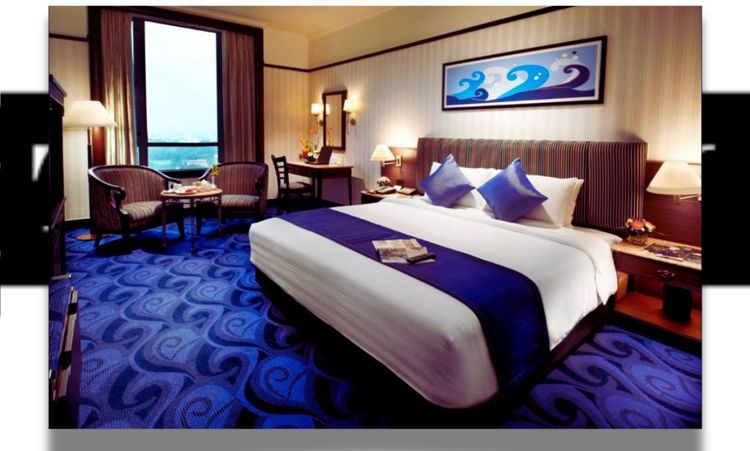
Photos provide valuable clues. Large windows, visible floor space, simple layouts, and uncluttered interiors usually indicate a room that will feel comfortable in person.
Guest reviews can be equally revealing. Travelers frequently mention whether rooms felt open, bright, or larger than expected.
Floor plans, when available, are also worth examining. They often reveal more about a room's usability than square footage alone.
Sometimes a smaller room with better design delivers a far better experience than a larger alternative.
Understanding that distinction can lead to more satisfying stays and fewer unpleasant surprises at check-in.
Conclusion
The answer to why some hotel rooms feel bigger than others has surprisingly little to do with measurements. Layout, light, views, ceiling height, furniture placement, and visual simplicity all influence how people experience a space. The best hotels understand that spaciousness is as much about perception as it is about dimensions. That's why a thoughtfully designed room can feel far more comfortable than one with significantly more square footage. For travelers, recognizing these design principles can make choosing the right room much easier, regardless of what the measurements say.