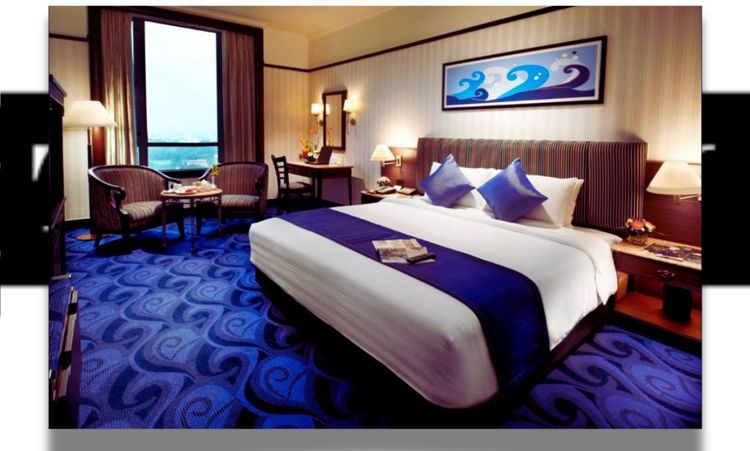
A comfortable bed means very little if noise keeps you awake all night. Many travelers focus on price, amenities, and location, yet overlook one factor that can make or break a stay. Knowing how to tell if a hotel room will be quiet before booking can help you avoid sleepless nights and enjoy a more relaxing trip.
Why Hotel Room Noise Is Hard to Predict
Hotel noise comes from many directions. Traffic outside the building is only one part of the problem. Inside the property, elevators, housekeeping carts, slamming doors, and neighboring guests can create constant disturbances.
What makes hotel noise difficult to predict is that two rooms in the same hotel can offer completely different experiences. One guest may enjoy a peaceful stay on an upper floor facing a courtyard, while another struggles to sleep because their room sits above a busy restaurant.
Photos and room descriptions rarely mention noise levels. Hotels naturally promote their best features rather than potential drawbacks. This is why travelers need to do their own research before making a reservation.
How to Read Hotel Reviews for Noise Clues
Online reviews often reveal details that hotel websites leave out. Instead of looking only at overall ratings, search specifically for comments about noise.
Search for Specific Noise-Related Terms
Many booking platforms allow users to search within reviews. Terms such as "quiet," "noise," "traffic," "thin walls," "elevator," and "construction" can quickly reveal recurring issues.
Pay close attention when multiple guests mention the same problem. A single complaint may reflect an unusually noisy night. Ten similar complaints usually point to a persistent issue.
Focus on Recent Reviews
Hotels change over time. A property that was quiet three years ago may now sit beside a construction project or a newly opened nightclub.
Recent reviews provide a more accurate picture of current conditions. They can also reveal temporary problems that might affect your stay.
Use Google Maps to Check the Surrounding Area
One of the easiest ways to predict hotel noise is to study the area around the property.
Before booking, open the hotel location on Google Maps and zoom in. Look beyond the building itself.
Major roads, bus terminals, train tracks, entertainment districts, and sports venues often generate noise well into the night. A hotel may advertise a central location, but that convenience can come with constant traffic and street activity.
Street View can provide even more useful information. You may spot outdoor bars, busy intersections, construction sites, or event venues located just steps from the hotel.
A property in a quieter residential neighborhood often offers a better sleep environment than one in the center of a nightlife district.
Which Hotel Room Locations Are Usually the Quietest
The location of a room inside the hotel can matter just as much as the location of the hotel itself.
Travelers who understand room placement gain a significant advantage when requesting accommodations.
Rooms Away From Elevators and Ice Machines
Elevators create constant foot traffic throughout the day and night. Guests often gather nearby while waiting for lifts, dragging luggage, or talking in hallways.
Ice machines can also become surprising sources of disruption, particularly in older hotels where soundproofing is limited.
Rooms located several doors away from these areas generally experience less activity and fewer interruptions.
Why Higher Floors Are Often Quieter
Higher floors usually reduce exposure to street noise. Traffic sounds, emergency sirens, and pedestrian activity become less noticeable as elevation increases.
Upper floors also tend to experience less hallway traffic. Fewer people pass by these rooms compared to those located near entrances and common areas.
While higher floors are not always silent, they frequently offer a more peaceful environment than lower levels.
How to Tell if a Hotel Has Poor Soundproofing
Soundproofing quality varies dramatically between hotels.
Older buildings often struggle with noise control because they were not designed using modern acoustic standards. Thin walls, lightweight doors, and poor insulation can allow conversations, televisions, and footsteps to travel easily between rooms.
Guest reviews provide the best clues. Phrases such as "could hear everything," "thin walls," or "heard neighbors talking" usually indicate structural soundproofing issues.
Connecting rooms can create additional problems. Even when locked, the shared door may allow more noise to pass through than a standard wall.
If multiple reviews mention hearing conversations or televisions from adjacent rooms, soundproofing is likely a concern throughout the property.
Questions to Ask the Hotel Before Booking
Many travelers hesitate to contact hotels directly, yet a short phone call can provide valuable information.
Hotel staff know which rooms are quieter and which areas tend to generate complaints.
Ask About Construction, Events, and Renovations
Temporary noise sources can affect even excellent hotels.
Ask whether renovations, maintenance work, conferences, weddings, or large group events are scheduled during your stay. Staff members can often identify periods when the property will be busier than usual.
This information rarely appears during the booking process but can significantly impact your experience.
Request a Courtyard-Facing Room
Many hotels offer rooms facing either the street or an interior courtyard.
Courtyard-facing rooms often experience less traffic noise, especially in busy urban areas. While exceptions exist, these rooms are frequently preferred by travelers seeking a quieter stay.
A polite request made before arrival can improve your chances of securing a better location.
Are Luxury Hotels Quieter Than Budget Hotels?
Price does not always guarantee silence, but it can influence noise levels.
Higher-end hotels often invest more in soundproofing materials, upgraded windows, and better construction standards. They may also attract travelers seeking relaxation rather than large social gatherings.
However, luxury hotels located in entertainment districts can still be noisy. Likewise, some budget hotels in quiet suburban locations provide excellent sleeping conditions.
Instead of relying solely on star ratings, focus on reviews, room placement, and surrounding environments.
A well-located mid-range hotel can easily outperform an expensive property when it comes to peace and quiet.
The Best Time to Stay for a Quiet Hotel Experience
Timing plays a larger role than many travelers realize.
Hotels often become noisier during weekends, holidays, school breaks, and local events. Increased occupancy naturally creates more activity in hallways, elevators, and public spaces.
Business-focused hotels tend to be quieter on weekends after corporate travelers depart. Resort properties often experience the opposite pattern, becoming busier during leisure travel periods.
Checking local event calendars before booking can help identify festivals, concerts, sporting events, and conventions that may increase noise throughout the area.
A quieter travel period can make a noticeable difference, even at the same property.
How to Request a Quiet Hotel Room Successfully
Simply requesting a quiet room during booking is helpful, but it should not be your only step.
Hotels receive many special requests every day. Following up can improve the chances that your preference receives attention.
What to Say When Booking
Be specific rather than making a general request.
Instead of asking for a quiet room, request a room away from elevators, ice machines, stairwells, and event spaces. Mention if you prefer a higher floor or courtyard-facing location.
Specific requests are easier for hotel staff to accommodate.
What to Confirm at Check-In
Upon arrival, ask where your assigned room is located.
A quick conversation with the front desk can reveal whether the room sits near potential noise sources. If concerns arise, alternative rooms may still be available before you unpack.
Checking these details immediately is much easier than requesting a change later.
What to Do if Your Room Turns Out to Be Noisy
Even careful planning cannot eliminate every possibility.
If your room proves noisy, contact the front desk as soon as possible. Waiting until the following morning limits available solutions.
Many hotels can relocate guests to quieter rooms, particularly when notified early. Staff members may know of vacancies in less active areas of the property.
Remain polite and explain the issue clearly. Most hotels value guest satisfaction and will attempt to resolve legitimate concerns when alternatives exist.
Addressing the problem promptly often leads to better outcomes than simply enduring a sleepless night.
Conclusion
Learning how to tell if a hotel room will be quiet before booking requires more than reading the room description. Reviews, maps, room locations, soundproofing clues, and direct communication with the hotel all provide valuable insights. A few minutes of research before reserving a room can greatly improve your chances of enjoying a restful and uninterrupted stay.